
Opinion
-
Dorm cleaning for lazy people
“Cleaning sucks, but living in a dumpster sucks more. So, I calculated the requirements needed to stay tidy with the least possible effort.”
-

It really is those darn phones
“I just think everyone should go pick up a book, whether it’s today or tomorrow.”
-

Indiana Republicans’ redistricting plan is MAGA-approved, not Hoosier-backed
“It’s not surprising that the Trump administration lit the fire on this mid-decennial redistricting war in Indiana, even though the majority of Hoosiers don’t agree with the proposal. The administration’s chaotic campaign is clearly for a partisan power grab, not for benefiting Hoosiers.”
-

Senior Sendoff: The girl from Cleveland
“Through all the late Tuesday nights, the basketball games in Hinkle Fieldhouse, the fun interviews and the 115 stories I’ve written I’ve found some of the smartest and best friends I could have.”
-
Senior Sendoff: The Butler Collegian will NOT continue to investigate and report on this story
“I discovered the existence of The Butler Collegian’s Senior Sendoff three years ago, reading my brilliant opinion editor’s goodbye, ‘Katie Freeman cannot be stopped.’ Right then, I knew that I would be here, three years later, writing mine.”
-
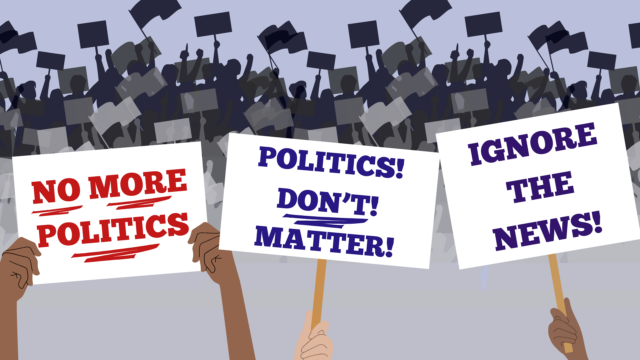
Do politics matter?
A comprehensive guide on how to be apolitical.
-
Senior Sendoff: Closing a chapter
“Without this newspaper and the people who make it, I wouldn’t be the smallest fraction of the writer, editor, leader or woman I am today.”
-

Rachel Zegler: The built-in misogyny and racism of Hollywood Controversies
“While the Snow White live-action adaptation has not been received well by the box office, the one aspect of the film that critics can agree on was Zegler’s wonderful performance … Rachel Zegler was not fired from the ‘Snow White’ press tour, she is not trying to sue Disney, and she does not hate the…
-
Jazz is for everyone
“Full of wrong notes. Background music. Music that’s the performer and not the audience. Elitist jazz snobs. Old and dying genre. Some of these narratives about jazz contain grains of truth and can make the music feel inaccessible.”