
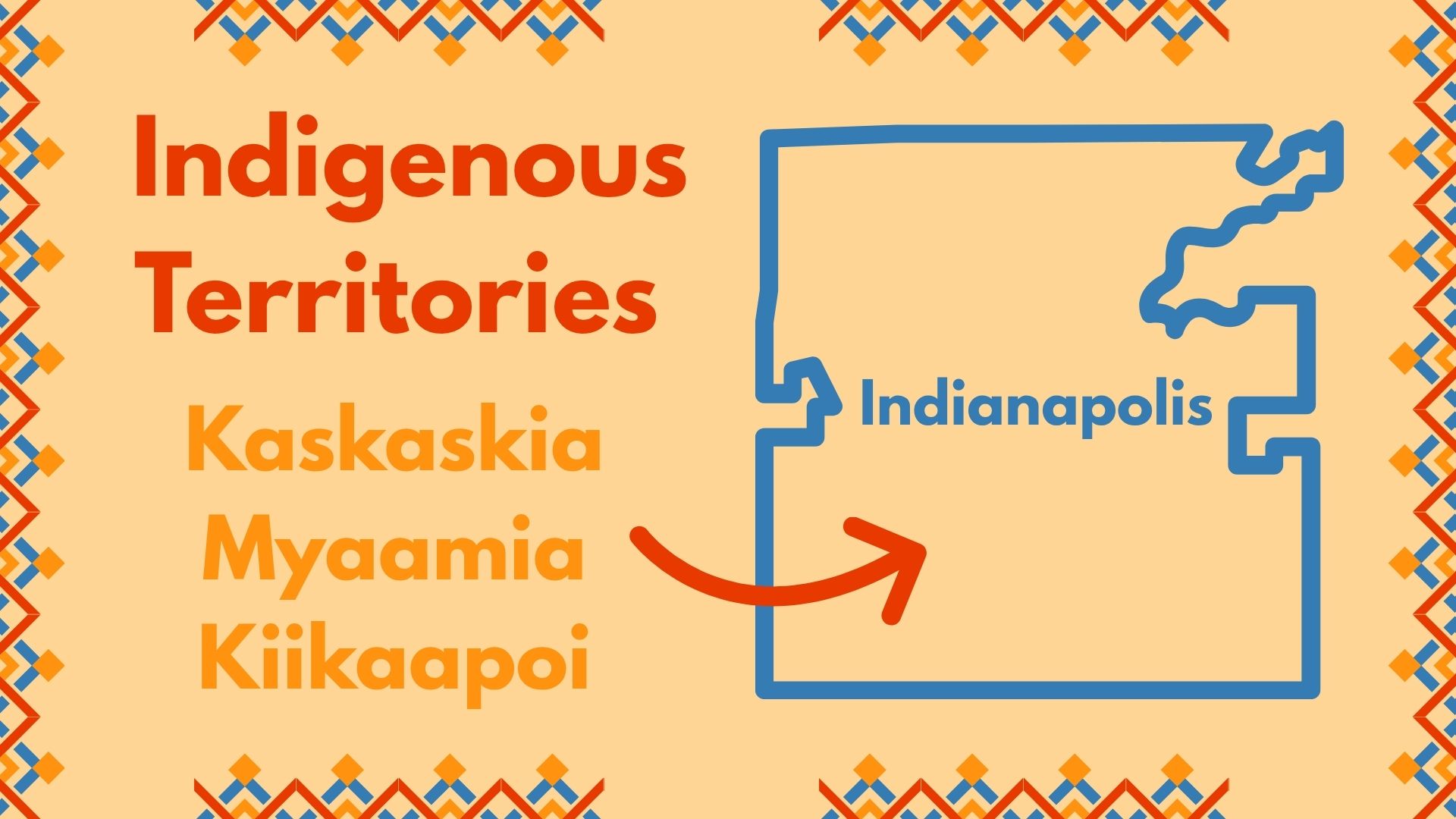
Campus organizations collaborate to celebrate Native American Heritage Month. Graphic by Lily O’Connor.
GRACE CRONIN | STAFF REPORTER | gcronin@butler.edu
November marks Native American Heritage Month, a time dedicated to honoring the history, culture and contributions of Indigenous peoples. The month also serves as a time of reflection, inviting students and faculty to consider the ongoing impact of colonization and the importance of education and advocacy.
Butler’s Diversity, Equity, Inclusion and Student Affairs (DEI) department has coordinated a series of events for this month. These programs are designed to advocate and allow for a deeper understanding of Indigenous heritage. Historically, the stories of tribes have been inaccurately taught and underrepresented.
Danny Kibble, the executive director of DEI initiatives and engagement, shares the importance of this month and creating an environment that allows others to learn about different experiences and perspectives.
“It’s an opportunity to recognize that indigenous peoples still exist,” Kibble said. “There are faculty, staff and students who are members of that identity, and by elevating and celebrating this month, it provides an opportunity for those individuals to allow their stories to be told.”
The events for the month began with a JCA Signature Series event on Nov. 3, featuring Alexandra McNichols-Torroledo in “Honoring Indigenous Communities Who Are Protecting and Restoring the Earth from Climate Change through Photography”. The Butler University Indigenous Peoples Student Organization (IPSO) hosted a history of Thanksgiving presentation on Nov. 5 with traditional Native American food and crafts. Learn Your Land, a tabling event at Starbucks on Nov. 10, also took place, educating students about the locations of Indigenous land.
For students like Emma Podvorec, a senior criminology, psychology and anthropology triple major and treasurer of IPSO, these events are deeply significant, and she sees them as beneficial for students and faculty.
“Native American Heritage Month celebrates the cultures, traditions and contributions of Native Americans,” Podvorec said. “This month is important for students and faculty because it gives us time to reflect on our nation’s history and the mistreatment of Native populations.”
In addition to these events, the Diversity Program Council will host “Thanksgiving: Let’s Talk About It” on Nov. 13 from 6 to 7:30 p.m. in the Fairview Community Room. A potluck dinner will be provided, and discussions about Thanksgiving history regarding Indigenous peoples, as well as land indigeneity, will be held.
Resources have been further shared by Butler’s DEI division and encouraged for students and faculty who wish to deepen their understanding of Indigenous culture, history and values. Materials include the Indigenous Studies LibGuide, LinkedIn Learning courses such as “Supporting Indigenous Rights”, “Skills for Inclusive Conversations” and the reading of “Braiding Sweetgrass: Indigenous Wisdom, Scientific Knowledge, and the Teachings of Plants” by Robin Wall Kimmerer. Students also have the opportunity to access the books in Jordan Hall, room 186.
Butler’s coordinator of DEI programming and engagement, Lauryn Jones, explained the reasoning behind these added resources.
“The materials provided are a way for people to learn on their own, talk amongst their peers or their loved ones about those resources they are viewing,” Jones said.
Butler’s recognition of Native American Heritage Month also serves as a reminder to reflect on Butler’s connection to Indigenous lands. Butler’s Land Acknowledgment Statement recognizes that the university sits on the traditional land of the Miami, Delaware, Potawatomi and Shawnee Peoples. With this acknowledgment, Butler holds a responsibility to encourage remembrance, respect and education about Indigenous communities, which Native American Heritage Month activities and resources on campus strive to achieve.
“Obviously, we are on native land,” Jones said. “So just trying to emphasize that more and just educate people about where we stand, and also how they can support Native American people is important.”