
Over the past few decades, music has continued to evolve — across genres, languages and artists — shaping the tastes of listeners along the way. One of the most prominent and rapidly rising genres in the United States is Latin music.
It is no longer confined to Spanish-language radio stations or cultural niches. Latin music has surged into the mainstream, dominating global charts, filling stadiums and reshaping the sound of popular music across the globe. What was a genre set apart by language barriers is now one of the most influential forces in music history.
Latin music’s expansion into the mainstream has also changed perceptions of what constitutes “popular” music within the United States. Songs performed entirely in Spanish are now receiving more mainstream recognition, radio airplay and award consideration alongside English-language hits. This exposure challenges long-standing industry norms and represents a newfound openness among listeners to sounds and stories outside their own cultures and experiences.
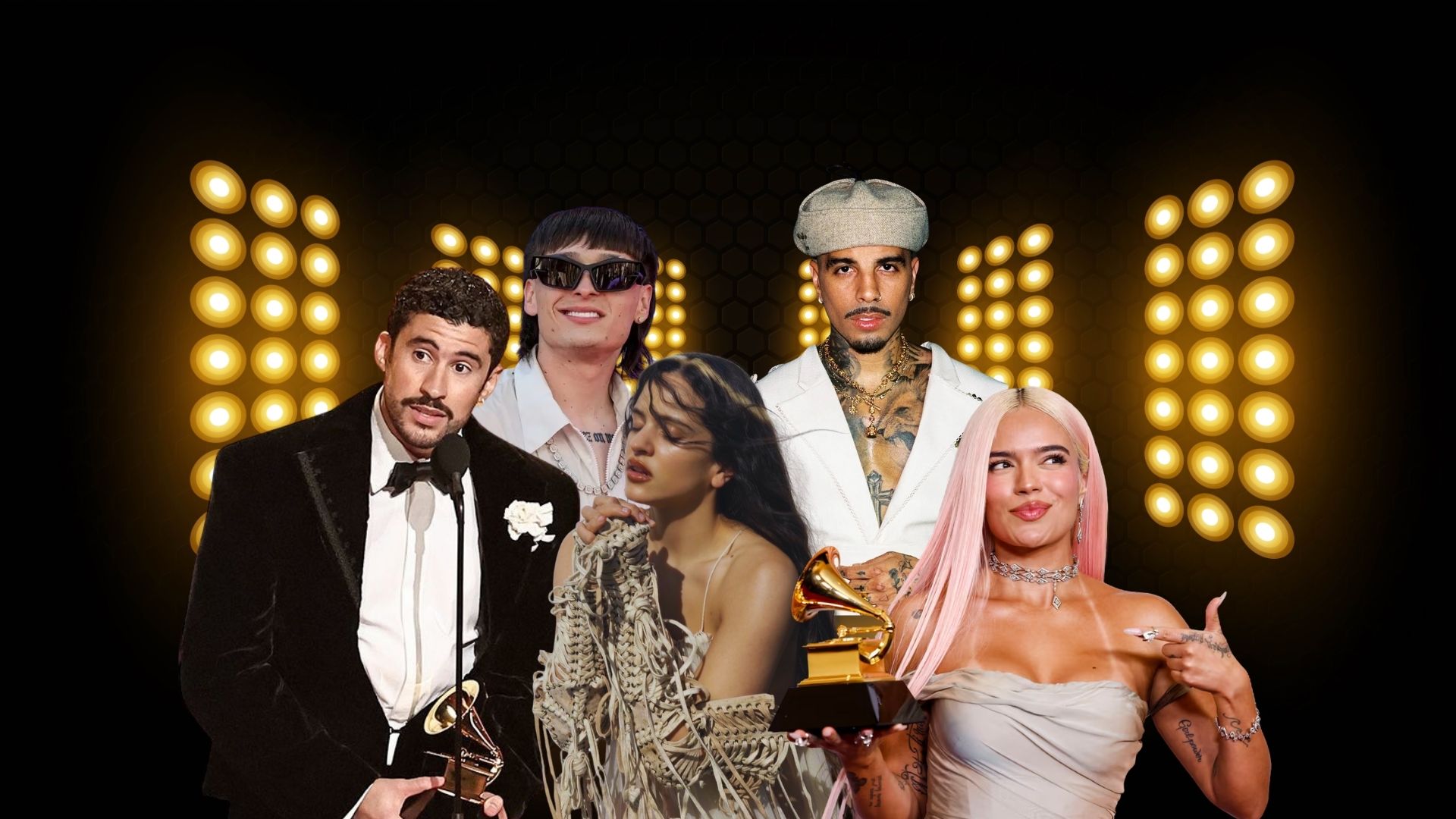
Artists like Bad Bunny, Karol G, Peso Pluma and Rosalia regularly top Billboard charts once reserved for English-speaking musicians. In 2023, Latin music streams reached record highs, with reggaeton, Latin pop and regional Mexican music leading the charge. In 2025, Bad Bunny’s Grammy winning album, “DeBÍ TiRAR MáS FOToS,” surpassed Taylor Swift’s “Lover (Live from Paris)” for most listened to album, further spotlighted by his appearance this year in the Super Bowl. The success is not an isolated trend, but part of a broader cultural shift driven by streaming platforms, social media and a younger generation that is less tethered to language as a barrier to enjoyment.
Delaney Grider, a sophomore political science and Spanish double major, shared her thoughts about the rise of Latin music.
“Bad Bunny just won Album of the Year for the Grammys in general, not in a specific Latin music category,” Grider said. “He won it overall, which is obvious evidence of the prominence of it. As technology rises … especially for Generation Z, we [have become] so used to seeing things on Tiktok [and] YouTube. When a new song comes out that’s starting to become really popular … any PR is good PR for an artist because it gets their name in the news.”
This younger generation in particular has grown up in an increasingly globalized and digitalized world. Exposure to multiple cultures online has normalized multilingual content, making it easier for listeners to embrace music in languages they may not fully understand. For many, emotion, rhythm and performance matter more than the lyrical translation.
Logan Thomas, a sophomore speech, language and hearing sciences major, shared that although she has little understanding of the language, the music itself has a great impact.
“When I listen to the music, I don’t actually know what the lyrics are, but I think the energy the artist brings to the music is able to attract anyone, even if they don’t know the language,” Thomas said.
Her perspective reflects a broader audience experience, where connection to music is rooted in the feeling rather than the fluency. This emotional accessibility has allowed music to resonate across cultures, reinforcing that music is a universal language.
Streaming services have played a crucial role in the genre’s rise. Algorithms on platforms like Spotify and Apple Music push Latin tracks to global audiences, while TikTok had turned several Spanish-language songs into viral overnight sensations.
Equally important is the cultural visibility of Latin artists themselves. Performers have been embracing their identities, blending traditional sounds with contemporary beats and collaborating across genres. This fusion has helped Latin music feel authentic and accessible, appealing to their fans and new listeners alike. The industry, once hesitant to invest heavily in non-English music, is now following the audience demand.
Senior marketing major Dawson Hubbard emphasized the possibilities that streaming services can provide for artists.
“If you have a platform and [have] amazing artists that can utilize a platform, it’s just putting them in the right spots,” Hubbard said. “Situations like the Super Bowl are great and powerful, and will, I think, help show more of the amazing music that the Latin community has.”
The rise of Latin music also demonstrates the shifting demographics and cultural influence, particularly in the United States. As Latino communities continue to grow, so does their impact on popular culture. What audiences are hearing today is not a trend manufactured by the industry, but a response to voices that have long existed and are being continuously amplified.
With streaming numbers rising, and Latin artists consistently headlining major charts and festivals, the genre has secured its foothold in the mainstream. What began as a cultural crossover has evolved into a defining force in today’s music industry, signaling a shift in how global audiences consume and connect with sound.