
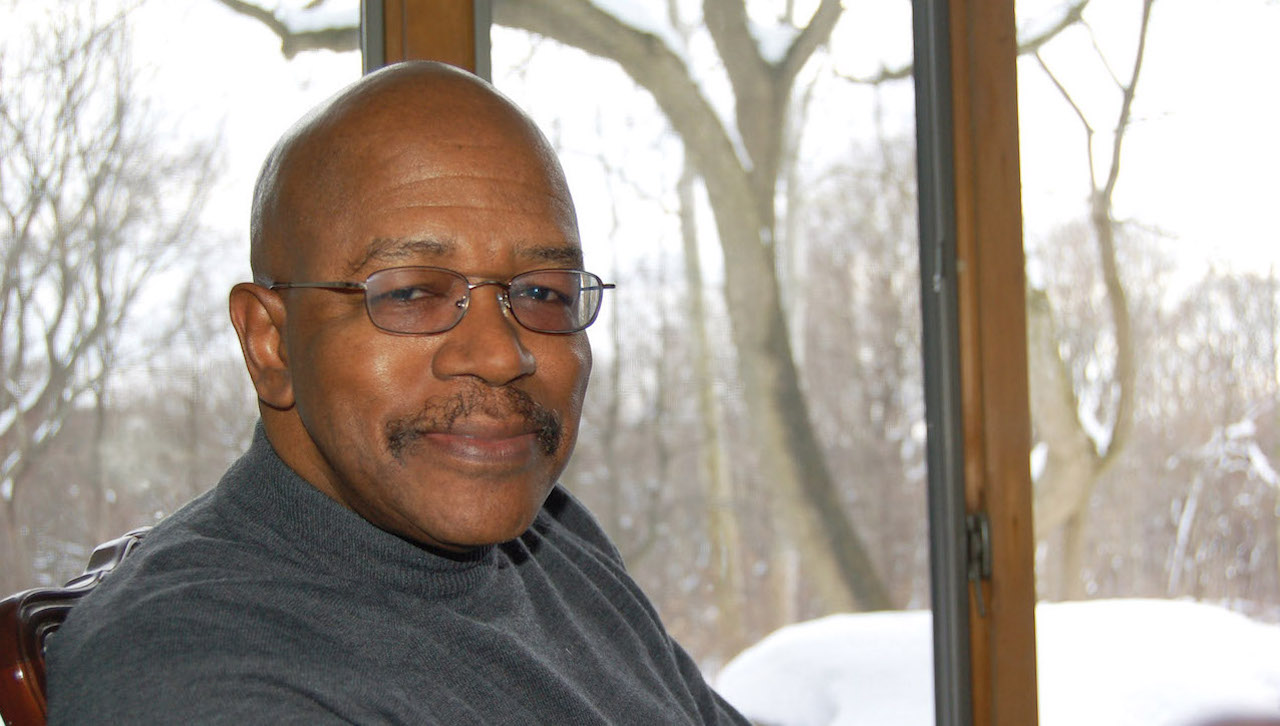
Butler will host Elijah Anderson, professor of sociology and Black studies at Yale University, as a guest lecturer through Phi Beta Kappa’s Visiting Scholar series at 7 p.m. in the Reilly Room on Thursday, Feb. 12.
Anderson will be speaking on race and civility through his concept of a “cosmopolitan canopy,” the idea of different aspects of society being united.
Rylee Morris, a sophomore marketing and theater double major, shared why she feels it is important to bring conversations of diversity into a collegiate setting.
“I think it’s really great that Butler has us have conversations about diversity and inclusion, because it’s, especially with the way things are in the world right now, not talked about enough,” Morris said. “This is where you’re figuring out who you are, [and] what values are important to you. What [Anderson]’s saying could be something that people have been waiting to hear or something that people didn’t know.”
Anderson’s “cosmopolitan canopy” offers safe spaces that bring people of different identities together, encouraging civil conversations and promoting understanding.
Morris supported this idea.
“I think it’s really important for everyone to have a place where they feel like they can fully be themselves,” Morris said. “Being able to have a space where you can fully know, ‘this is who I am, this is how I want to be perceived, how I want to be represented,’ and you’re able to express that, I feel like it’s just so important.”
Butler’s Theta of Indiana chapter of Phi Beta Kappa is sponsoring the event, supporting the organization’s commitment to the liberal arts and sciences. Sociology and criminology professor Katherine Novak facilitated Anderson’s visit.
Phi Beta Kappa is one of the oldest honor societies in the United States. The chapter at Butler has worked over the years to bring in speakers from different disciplines to exchange ideas with students on campus.
Maya Sharon, a Butler alum and Phi Beta Kappa initiate, spoke about how she believes guest lectures hosted by the society can have a positive impact on Butler students.
“I think it’s really important [that the society hosts speakers], as it can help get [the] word out about the fact that this honor society exists,” Sharon said. “I really appreciate how their mission supports the liberal arts and sciences, [due to] the stigma of, ‘Oh, you got a liberal arts degree. What are you gonna do with that?’ There’s a lot that you can do with that kind of degree. I think it’s important to have [supportive] organizations like that.”
Christopher Bungard, professor of Classics and the Phi Beta Kappa president at Butler, supported this idea by emphasizing the importance of bringing in speakers who explore different facets of the liberal arts.
“I think that the liberal arts encourages us to recognize that there is intrinsic value in approaching the world through a multitude of lenses, and that really great work comes from being able to take a multi-disciplinary approach to any given question,” Bungard said. “If we’re siloed into just looking at the world through a single lens, then we miss some really crucial and valuable insights that we might have noticed had we had a broader framework to think through, and I think that that fits really well with the spirit of the value of bringing in diverse perspectives and diverse experiences to really encourage us to appreciate the way that different ways of thinking collectively help us make better decisions, [and] help us understand the world more thoroughly and fully.”
Anderson will also be visiting classes and interacting with Founder’s College students during his time at Butler. He will be speaking on his work on urban poverty and violence in Novak’s crime and society course, and giving a lecture titled “Race Relations Since the End of the Civil Rights Era” to students in the Gender, Race and Crime class and the Race, Institutions and Organizations class.