
During our time at college we’re encouraged to begin implementing healthy habits so that in a decade they will have become second nature. Time-management, professionalism in the work-space, taking care of your mental health and learning what a healthy body is for you, are all aspects to a successful and balanced adult life.
For some people, being healthy means not being in a toxic relationship, or having a weekly self-care night. For others that looks like a daily visit to the gym and a strict diet almost every day.
With our full-capacity lives, working out and simply eating healthy seems nothing less than an inconvenience. It’s so much more convenient to grab a to-go box of chicken tenders and fries from A-Town Market or pre-order a burger and fries from Midtown Provisions in the Residential College.
Convenience isn’t always healthy.
Eating healthy — having a balanced diet — doesn’t need to be an overwhelming task we procrastinate. It is less work than you’re making it out to be.
Here are some tips to practice healthy habits:
Cut down on the Starbucks
With the new holiday drinks that are starting to come out, ordering Starbucks is more tempting than ever. If we can order ahead on the app with our Flex Dollars, why wouldn’t we just order a 400 calorie frappe for breakfast?
Some Starbucks drinks contain the equivalent amount of calories of a light breakfast, not to mention all of the sugars and processed sweeteners mixed in there.
I’m not saying eliminate Starbucks from your diet. Start with limiting yourself to 3-4 drinks per week. It’s all about balance.
Don’t diet, just balance
I’m a firm believer that college students don’t have to “diet” in order to be healthy or lose weight. Our bodies are still so active and contain so much energy. We don’t need to completely cut out sugar or carbs because of this.
Dieting is also just too stressful for us to worry about because most of us don’t control our full diets; we’re kind of at the mercy of the on-campus dining halls, unless you can afford groceries.
But even with buying groceries, it is still so expensive to afford healthy, fresh and maybe even organic fruits, veggies and meats. Eating at school is convenient and it is natural at this point in our lives.
Instead of starving ourselves or eating a plate of undressed lettuce once a day, practice the art of a balanced diet now, so that in 10 years we will have it mastered.
Senior marketing major Ethan McComb is on the men’s basketball team and discussed many of the realistic ways we can practice balanced eating.
“Something I struggle with sometimes will be eating too much fast food like Chick-fil-A, Culver’s, things like that,” McComb said. “If I can get grilled chicken or maybe pasta [on campus] it would be really good, especially the night before a game or big practice.”
I like that you don’t have to cut out these fun, yummy foods if you’re trying to better yourself. Just like McComb, the slightest adjustments to your order — like going from fried to grilled chicken — will make a huge difference after a while.
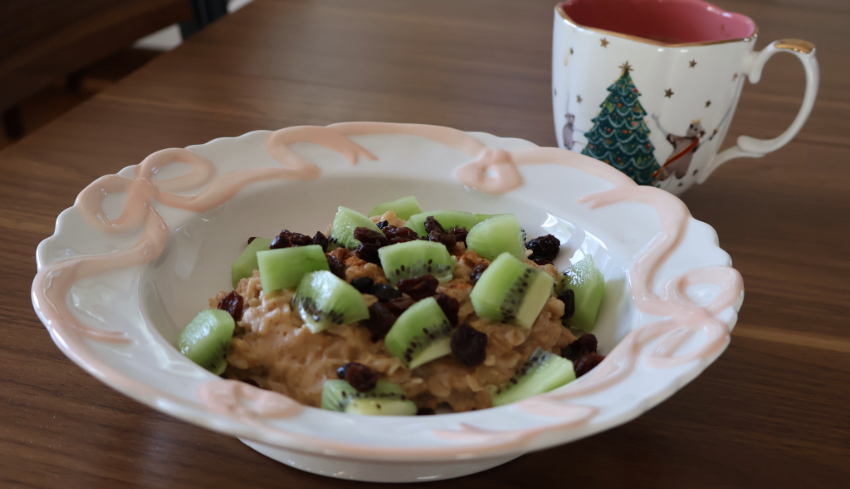
As far as the dining hall goes, opt for healthier carbs like oats instead of cereal, whole wheat bread instead of white, sweet potatoes and, the obvious, fruits over pastries and baked goods.
Eat consistently
I’ve always thought if I don’t eat I’ll be skinny. While that could technically be true, it’s also not a sustainable lifestyle. At our age, starving ourselves makes learning, comprehending and being physically active way harder than it needs to be.
Butler Athletics’ dietitian Gabby Poirier explained how eating every 3-4 hours is what our bodies need. It is healthy to eat that often, however not eating the right kinds of foods is when it becomes unhealthy.
“General population nutrition is just making sure that we’re consistently eating throughout the day because we all have blood sugar,” Poirier said. “If we’re going long periods of time without having a meal, then our body is going into our stored energy sources. It [our body] likes to have a consistent source of energy throughout the day.”
The hardest part about college is going to class and barely being able to keep your eyes open while being lectured at. However, maybe if we chose to eat regularly instead of limiting ourselves to one sugary Starbucks at 8 a.m. and a fried dinner 12 hours later, we could actually do good in class. I’m speaking to myself by the way.
Try movement, not exercise
For me, the hardest step to becoming healthy is this overwhelming idea of exercise. I don’t know about you, but running on a treadmill and pretending to know what I’m doing while lifting weights in the Health & Recreation Complex does not sound like fun.
One thing I’ve learned from Mylez Clark, a first-year biochemistry and Spanish double major, is that we shouldn’t jump into a 30-day workout plan if we’re just starting out. It’s about approaching it in small amounts in the beginning.
“You don’t need to be super intense about exercising,” Clark said. “I think it’s important to get exercise and cheat days are 100% good. It’s about habits, just building the habit of exercising with some frequency and consistency and trying.”
At the end of the day, we all want to be healthy so we can have long and healthy lives. Approaching your health journey at full-speed will not be sustainable for most of us. It’s about starting small and working our way up. We don’t need to be where Clark is because he’s been practicing these habits for years.
That also brings up another major flaw humans have — constantly comparing ourselves to people that are at completely different stages of life than us.
I don’t want to approach my health journey with the mindset of looking the way a girl on TikTok looks like. Our health journeys need to be about us as individuals because that’s all that really matters right now.
Don’t let the idea of practicing healthy habits overwhelm you because you don’t need to have them locked in right now. The habits that we are starting to incorporate into our lives will show benefits in the years to come. There’s no rush to be perfectly healthy, as long as we are trying to be healthier for our future selves.