
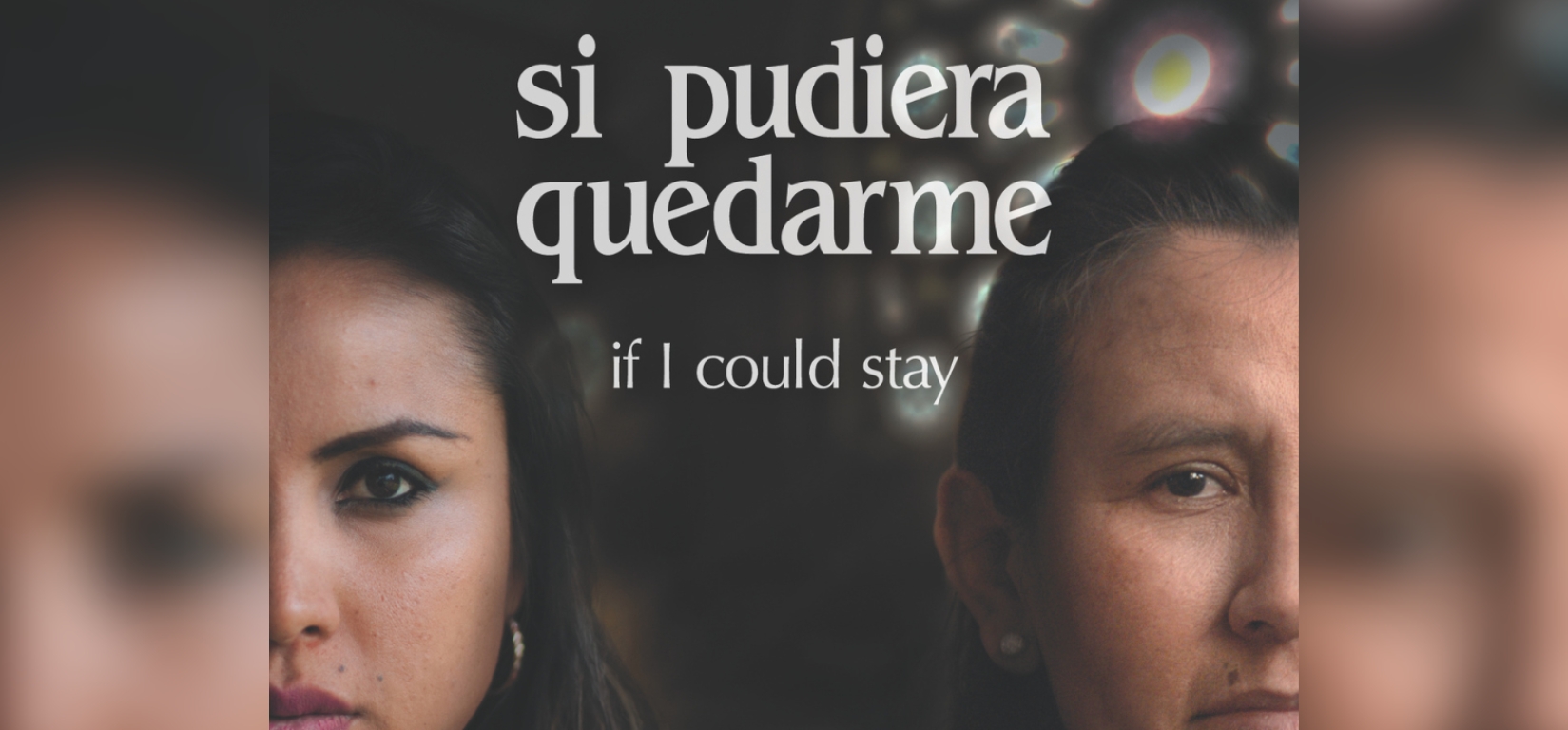
On March 4 at 7 p.m. in the Eidson-Duckwall Recital Hall, The Compass Center (TCC) will host its final New View Film Series event of the year, screening “Si Pudiera Quedarme”, which translates to “If I Could Stay”. Attendance is free, with a BCR credit available and no ticket required.
The film is based on a true story and centers around two Latina women who do everything they can to keep their families together amidst the threat of deportation. Over the course of five years, the film follows Jeanette Vizguerra and Ingrid Encalada Latorre as they seek refuge inside churches, entering sanctuary while they fight for legal status.
Each year, TCC partners with the Center for Interfaith Cooperation (CIC) on the project. The series aims to encourage audiences to look beyond their daily lives and engage with fresh perspectives through four thought-provoking films. Designed to deepen appreciation for differences and strengthen respect across communities, the program draws on themes of interfaith understanding, diversity, social justice and belonging.
As conversations about identity and community become increasingly vital, the theme of belonging has taken on added importance. Films like these offer students and community members a chance to confront issues that often feel distant, even though they shape the lived experiences of many individuals around them.
TCC and the CIC chose four films revolving around the overarching theme of belonging, including “Word is Bond”, “An American Pickle”, “Stranger at the Gate” and finally “Si Pudiera Quedarme”. Other than “Word is Bond”, each of these features has to do with immigration and displacement — topics that are extremely relevant to today’s current political and economic climate.
David Love, the Business Manager at the CIC and committee member at TCC, explained that the selection process for the films begins as early as the spring of the previous school year, with a few people from both CIC and Butler making the final decisions.
“When we were discussing which films to choose at the end of last school year, I was the one who brought [‘Si Pudiera Quedarme’] up, because I get direct emails from Good Docs, and this one was one of the films that they mentioned in their emails,” Love said.
Love is deeply involved with St. Monica Catholic Church and mentioned that his experiences traveling and working with different communities led him to suggest “Si Pudiera Quedarme” as one of the films for the series this year.
“[The film] resonated with me because at St. Monica, we have a very large Hispanic population within our parish and I work with people from a lot of Spanish-speaking countries,” Love said. “I’ve also visited a few of the countries. So, in a way, I’ve been the immigrant. I never stayed for more than a couple of months, but I have a very tiny feeling of what it’s like to be in their shoes.”
For people like Love, this personal proximity further stresses why stories of sanctuary and immigration matter beyond policy debates. Many Indianapolis residents navigate questions of status, safety and belonging every day, and bringing these narratives onto a campus setting creates space for the community to encounter diverse experiences.
Not only do attendees have the opportunity to view a film they otherwise might not be able to see, but engaging discussions with organizations or community members directly follow the screening. Depending on whether the CIC or TCC introduces the film to the committee, campus communities or even ensembles will lead insightful conversations. After the screening of “Si Pudiera Quedarme”, a handful of community members will ask the audience to participate in a thoughtful discussion on immigration and other various themes covered in the film.
Derek Reid, a professor of dance and associate dean of inclusion, diversity, equity and access, emphasized the importance of the post-viewing discussion, specifically for “Si Pudiera Quedarme.”
“I think the film itself will spark conversation about immigration [and] tactics used to avoid deportation, [and] having a conversation about those things is what you should be doing on a college campus,” Reid said. “The opportunity to show a movie that sparks conversation is always the goal, and this seemed like a good one in light of how things are transpiring now … I think that this is an event that is worthy of conversation by faculty, students and the community.”
Love also explained how this film will hopefully encourage viewers to be more empathetic toward individuals from different communities.
“[The film] is something that speaks to us as not just Catholics, but [as] Christians or even just people of goodwill,” Love said. “To really and truly love your neighbor, you have to see them as a person, not just as some sort of faceless other, and that’s something that our country needs a lot of right now … we need to ask [ourselves], ‘what do we do from here? How do we help each other?’ And hopefully this film … is a small step, at least in this area, that will help [individuals] see each other more humanely.”
As the New View Film Series concludes for the year, “Si Pudiera Quedarme” invites viewers to reflect on realities faced by families navigating the immigration system. In a time where it remains central to national conversation, the screening and post-film discussion create an opportunity to address these issues through the lens of lived experiences rather than news headlines.